If Yogyakarta had a love language, it would definitely be food. Not fancy, not complicated—just honest, warm, and full of stories. From smoky kitchens in tiny alleys to traditional markets buzzing with laughter, Jogja’s culinary scene is like a big, comforting hug. The kind that smells like banana leaves, coconut sugar, and freshly brewed coffee.
Based on the moments captured in these photos, let’s take a fun, happy, and casual journey through some of Yogyakarta’s most iconic local foods: Kopi Klotok, Bakpia Pathok, Lupis, and of course, the legendary Gudeg. Grab a seat, loosen your schedule, and come hungry.
Morning Rituals in Jogja: Kopi Klotok and the Art of Slowing Down
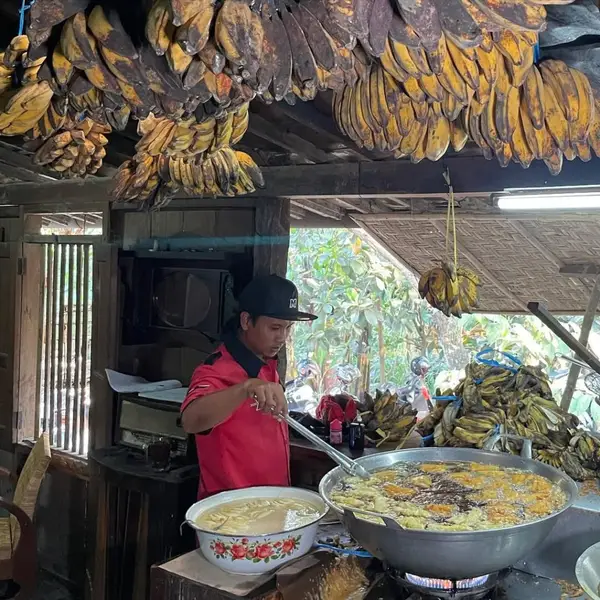
The day in Yogyakarta doesn’t start with alarms—it starts with kopi klotok. In the photo, you can almost hear the gentle klotok-klotok sound of coffee boiling on a traditional stove. That sound is where the name comes from, and honestly, it’s one of the most calming sounds you’ll ever hear.
Kopi klotok isn’t about latte art or fancy beans. This is coffee in its purest form—ground coffee boiled with water and sugar, served hot and strong. It’s bold, slightly bitter, and incredibly comforting. Perfect for mornings when time feels slower and conversations matter more.
And then come the bananas. Fried bananas. Lots of them. Hung proudly like golden trophies around the cooking area. Crispy on the outside, soft and sweet on the inside, they’re the ultimate companion to a cup of kopi klotok. Dip, sip, smile—repeat.
What makes kopi klotok special isn’t just the taste, but the experience. You sit on wooden benches, share tables with strangers, and somehow end up talking about life like old friends. No rush. No pressure. Just coffee, bananas, and stories floating in the air.
Bakpia Pathok: Small Bites, Big Memories
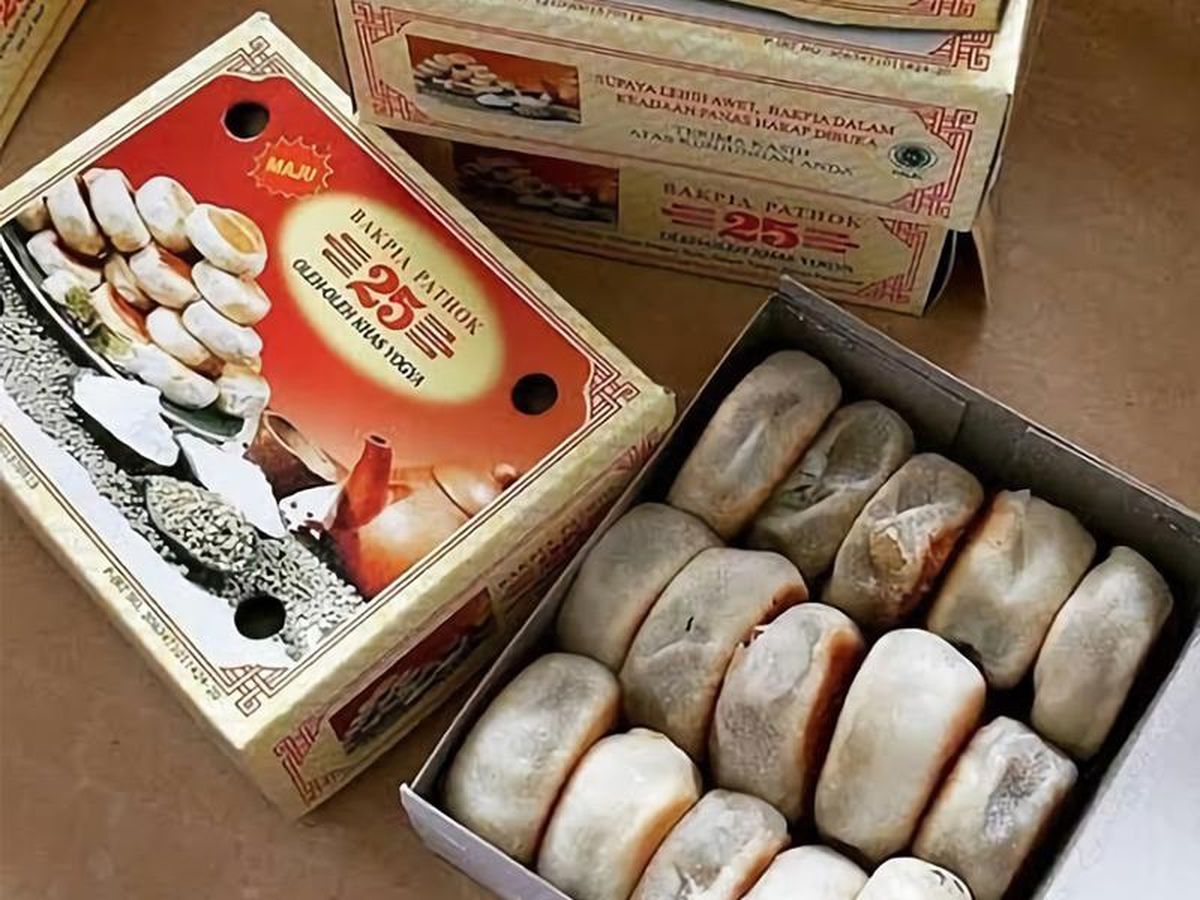
No trip to Yogyakarta is complete without bakpia. Period. And the photo of Bakpia Pathok 25 instantly brings back memories of gift boxes tucked carefully into bags, ready to be shared with loved ones back home.
Bakpia may look simple—small, round, soft—but don’t underestimate it. Inside that gentle pastry shell is a filling that can be sweet mung bean, chocolate, cheese, or even modern flavors like green tea and durian. One bite and suddenly you understand why people buy them by the box.
Traditionally, bakpia comes from the Pathok area, and over time it has become one of Jogja’s most beloved souvenirs. But honestly? Bakpia tastes best when eaten right there, fresh, warm, and without worrying about bringing it home.
It’s the kind of snack you eat while chatting, laughing, or just quietly enjoying the moment. Not too heavy, not too sweet—just right. Bakpia is Jogja in pastry form: humble, friendly, and impossible to dislike.
Lupis Mbah Satinem: A Jogja Legend Wrapped in Banana Leaves
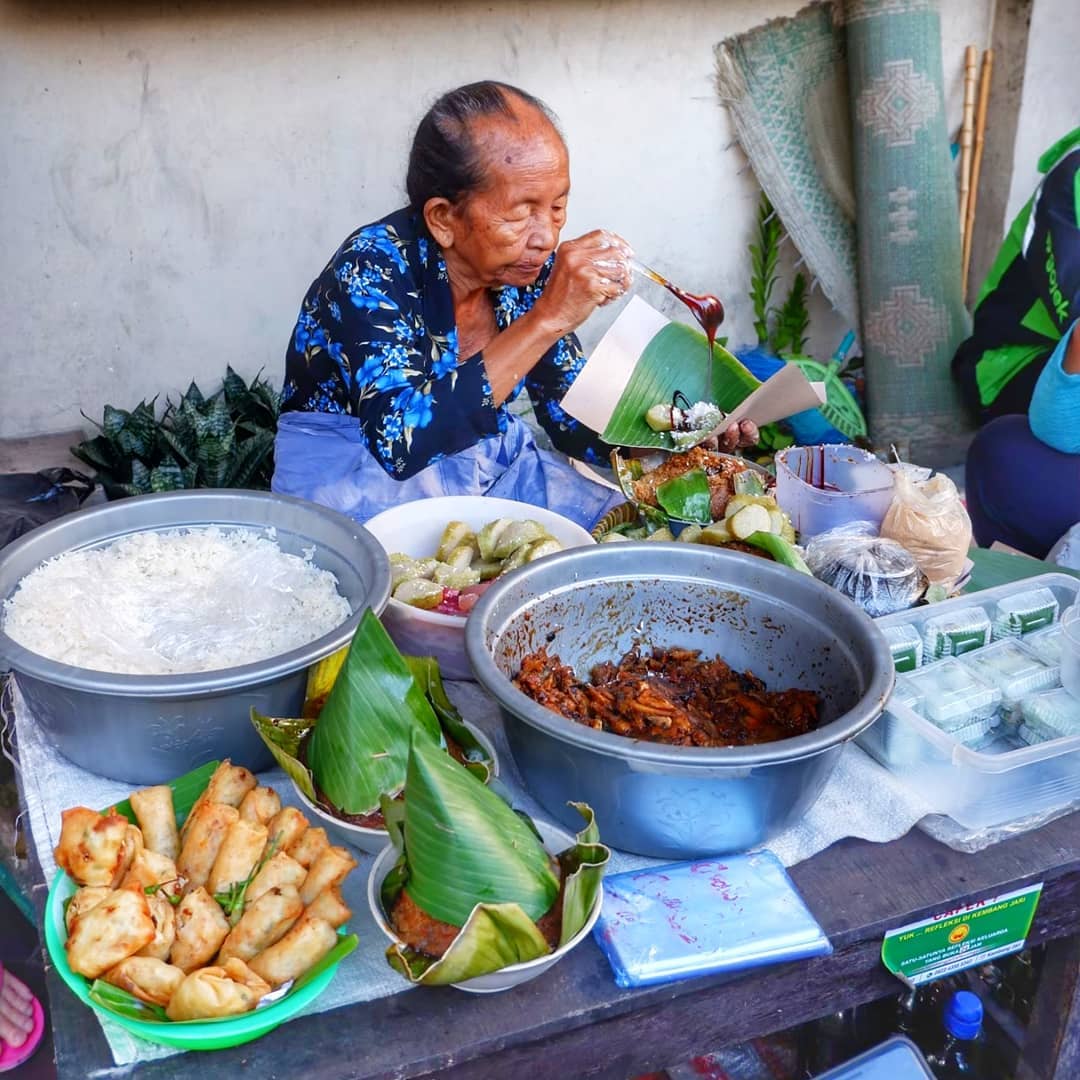
If there is one street food in Yogyakarta that feels like a warm memory passed down through generations, it is Lupis Mbah Satinem. This isn’t just lupis. This is the lupis—legendary, humble, and deeply loved.
In the photo, you see Mbah Satinem herself, carefully preparing lupis with calm, steady hands. She doesn’t rush. She doesn’t need to. For decades, she has been making the same lupis in the same way, using the same simple ingredients and the same quiet dedication. Watching her work feels almost meditative.
Mbah Satinem’s lupis is made from sticky rice wrapped tightly in banana leaves, boiled slowly until perfectly chewy. Once unwrapped, the lupis is cut into generous pieces, sprinkled with freshly grated coconut, and then comes the magic: thick, dark gula jawa syrup poured slowly on top. Not splashed. Not rushed. Poured with intention.
The taste? Soft, chewy, slightly salty from the coconut, deeply sweet from the palm sugar. Balanced. Comforting. Honest. One bite and you understand why people are willing to queue patiently, sometimes for quite a while, just to get a plate.
What makes Lupis Mbah Satinem truly special isn’t only the flavor, but the story behind it. She has been selling lupis for decades, starting from very early in the morning. Locals know the rule: if you come late, you might not get any. When it’s sold out, it’s sold out. And somehow, that makes it taste even better.
There’s no fancy stall, no big signboard, no social-media gimmicks. Just banana leaves, plastic bowls, simple benches, and Mbah Satinem’s gentle presence. Customers—from locals to tourists—sit nearby, eating quietly, smiling, sometimes closing their eyes with the first bite.
Lupis Mbah Satinem teaches us something important: tradition doesn’t need to be loud to be powerful. Sometimes, legend lives in silence, patience, and consistency.
Eating lupis here doesn’t feel like buying food. It feels like being invited into a piece of Jogja’s living history.
Gudeg: The Soul of Yogyakarta on a Plate
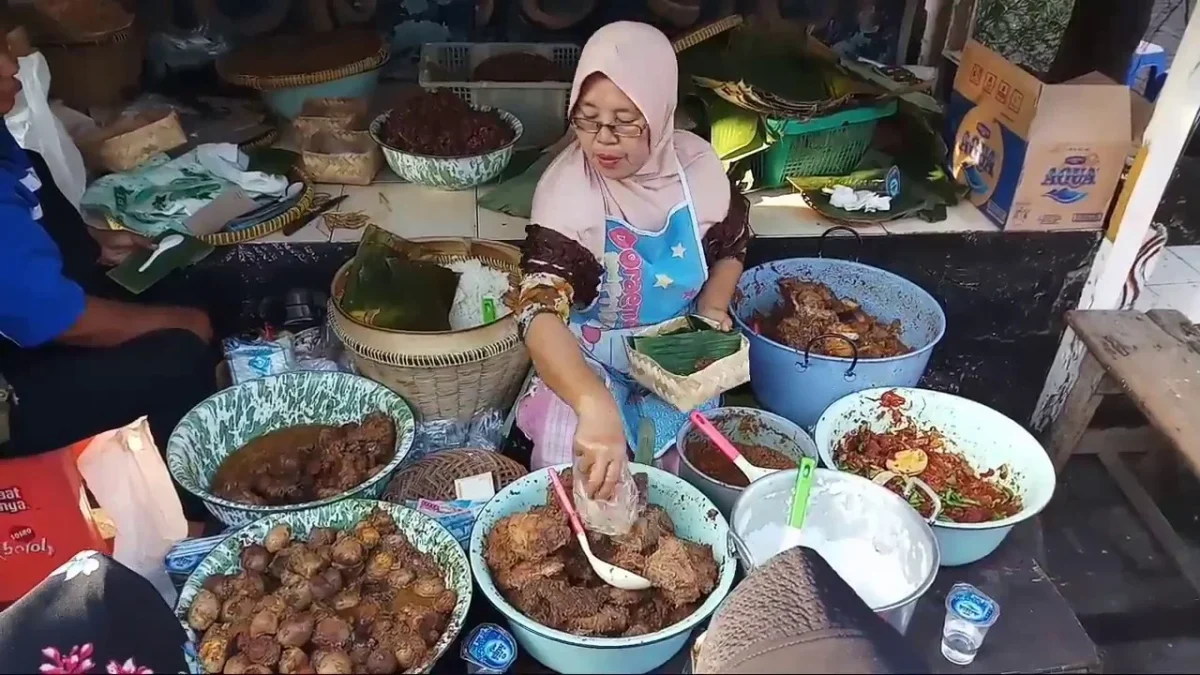
And finally, we arrive at the heart of Jogja’s culinary identity: gudeg.
Gudeg is not just food—it’s a symbol. Made from young jackfruit cooked for hours with coconut milk and spices, gudeg is sweet, rich, and deeply comforting. In the photo, you see a busy gudeg stall, bowls filled with different dishes, hands moving quickly but carefully. This is tradition in motion.
A proper gudeg plate usually comes with rice, gudeg nangka, chicken, egg, tofu, tempeh, and sambal krecek (spicy cow skin stew). Sweet meets spicy, soft meets crunchy—every element has a role to play.
Gudeg teaches patience. It takes hours to cook, and it’s meant to be enjoyed slowly. Locals eat it for breakfast, lunch, or dinner. There’s no wrong time for gudeg, just like there’s no wrong mood for comfort food.
Eating gudeg in Jogja feels different. Maybe it’s the atmosphere, maybe it’s the stories behind each recipe, or maybe it’s the way the vendors serve it with genuine warmth. Whatever it is, gudeg stays with you long after the plate is empty.
More Than Food: It’s About People and Stories
What ties all these foods together isn’t just taste—it’s people. The hands that stir, wrap, fry, and serve. The smiles exchanged between vendors and customers. The quiet pride in preserving traditions.
Jogja’s food scene isn’t about trends. It’s about continuity. Recipes passed down, stalls that have stood for decades, flavors that refuse to change because they’re already perfect.
You don’t just eat in Yogyakarta—you connect. With the past, with the present, and with strangers who suddenly feel like friends.
A Delicious Goodbye (But Never Really)
As the day ends and the streets grow quieter, the flavors of Jogja linger. The bitterness of kopi klotok, the softness of bakpia, the sweetness of lupis, and the comforting depth of gudeg—they all become part of your memory.
Yogyakarta doesn’t try to impress you. It simply welcomes you, feeds you well, and sends you home with a full heart and an even fuller stomach.
And somehow, you already know—you’ll be back.
Because in Jogja, food isn’t just eaten. It’s felt.